English
News
Home / News / Industry News / Tennis Racket Mold Factory Process: T3-TRIMMING & SANDING After Demolding Stage


 en
In professional tennis racket manufacturing, the post-demolding treatment directly determines the flatness, roundness and surface finish of carbon fiber frames. As a core preliminary process, the T3-Trimming & Sanding After Demolding Stage focuses on removing residual burrs, excess material and uneven edges generated during mold release, laying a high-precision foundation for subsequent priming, painting and final assembly.
After the carbon fiber frame is demolded, tiny flashes, rough edges and surface particle defects are inevitable. Without standardized trimming and sanding, these minor flaws will affect paint adhesion, cause uneven coating, and even reduce the overall smoothness and hitting stability of the racket. The T3 process solves these industry pain points through systematic edge trimming and multi-stage fine sanding. It precisely removes extra material from the frame edge, hole positions and curve transitions, while polishing the entire frame surface to achieve uniform roughness and flawless texture.
Different from ordinary manual grinding, our T3 trimming and sanding procedure adopts standardized process control to ensure consistent precision for each batch of frames. It effectively improves surface flatness, eliminates sharp edges, and optimizes the overall frame tactility. More importantly, this high-standard post-demolding treatment greatly enhances the bonding performance of the later T5 priming and painting process, avoiding paint overflow, edge peeling and color difference problems, and significantly improving the finished product’s durability and appearance grade.
By implementing the professional T3 after-demolding finishing process, we stabilize product consistency, reduce defective rates, and provide ultra-smooth, high-precision carbon fiber blanks for high-end tennis racket production, further strengthening product competitiveness in the global sports equipment market.
If you have any questions, please fill out the contact form at the bottom of the page and contact us.
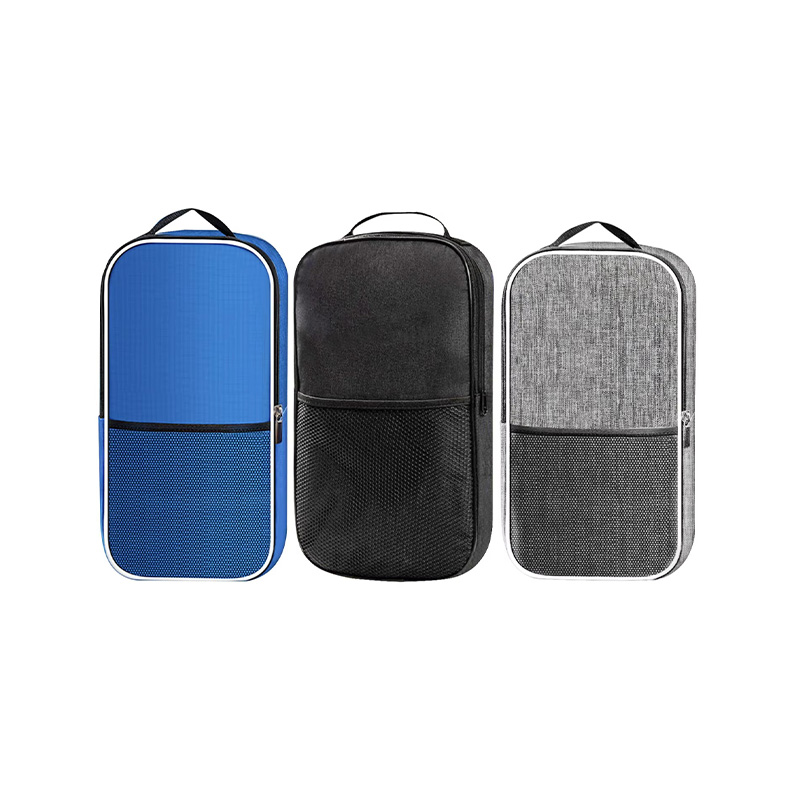 Breathable Portable Nylon Pickleball Bags for Large‑Capacity Storage
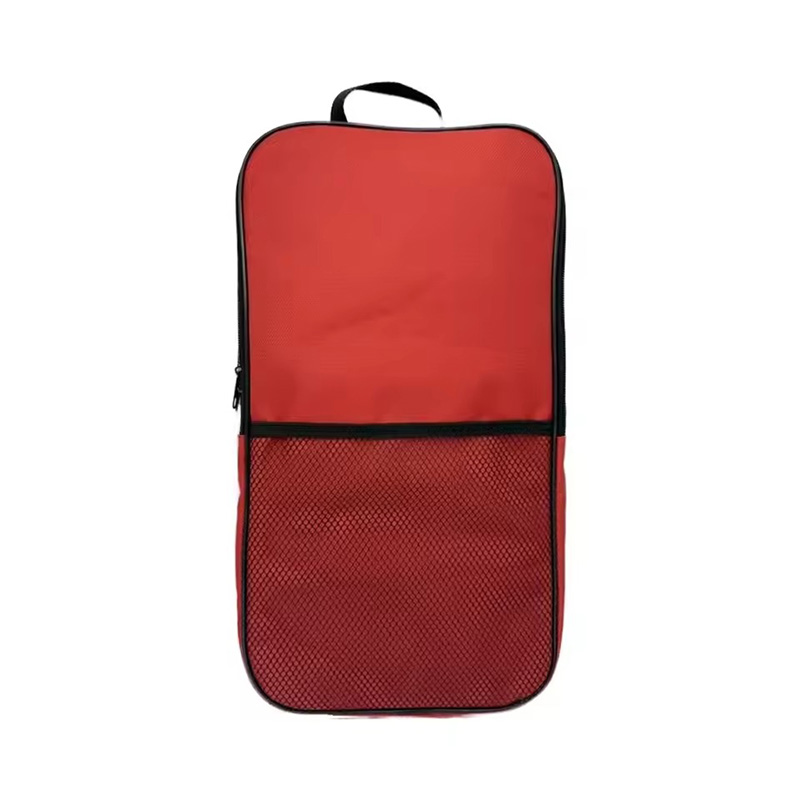 Waterproof Oxford‑Cloth Pickleball Bags for 2‑Paddle Storage
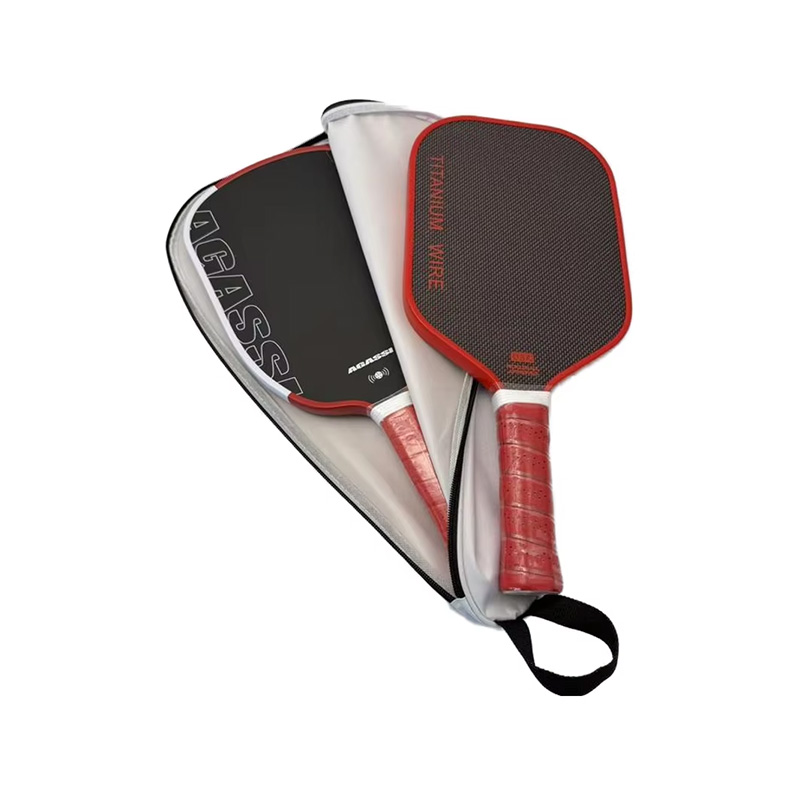 Logo‑Printed Neoprene Pickleball Bags for Paddle Storage Use
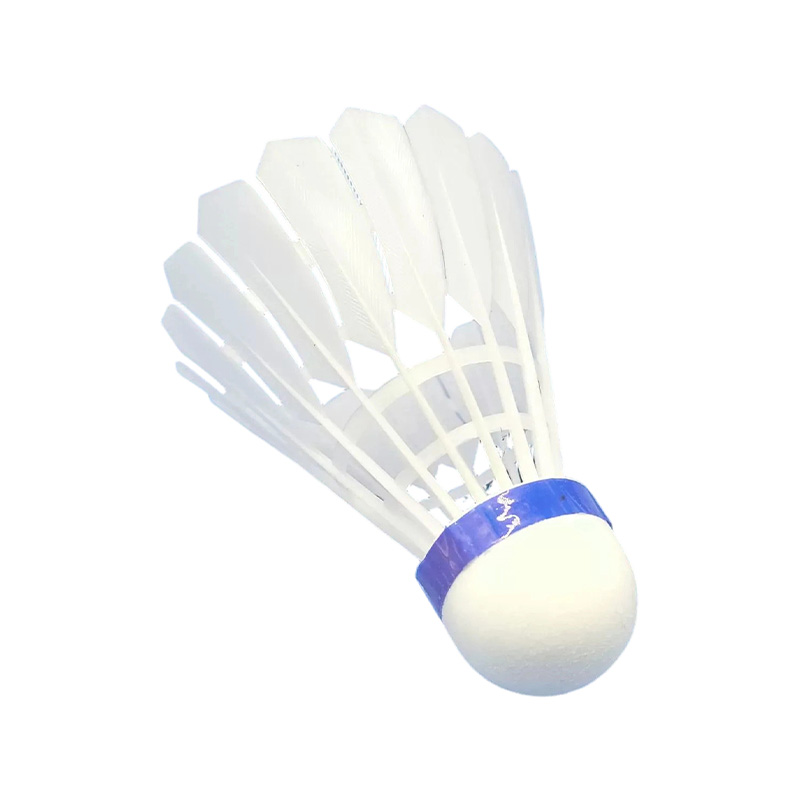 High‑Durability Plastic Nylon Shuttlecocks for Indoor‑Outdoor Use
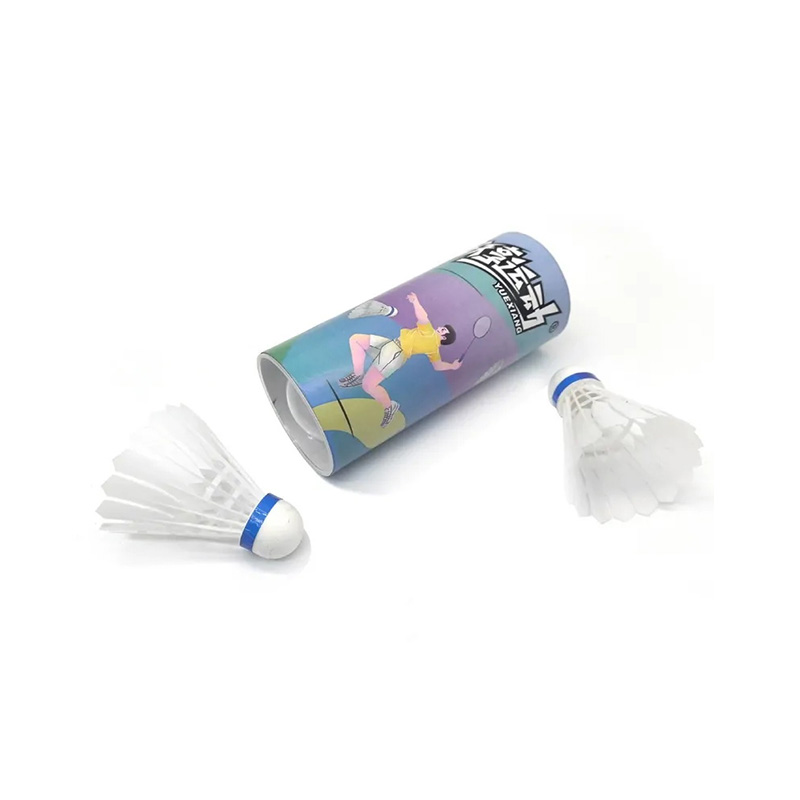 Windproof Break‑Resistant Nylon Shuttlecocks for Pro Competition
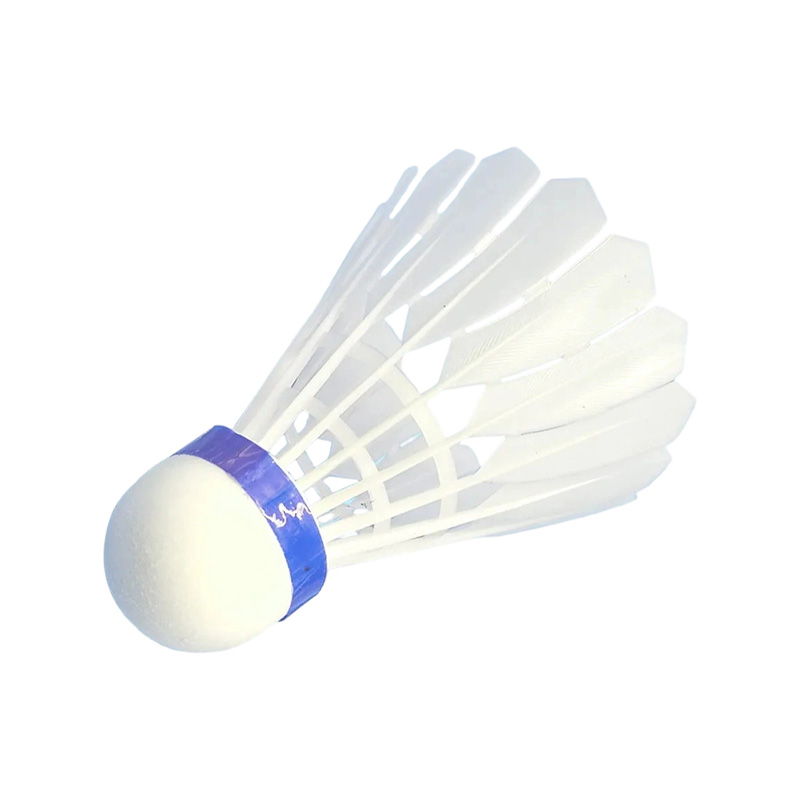 Professional Durable Nylon Shuttlecocks for Indoor‑Outdoor Competition
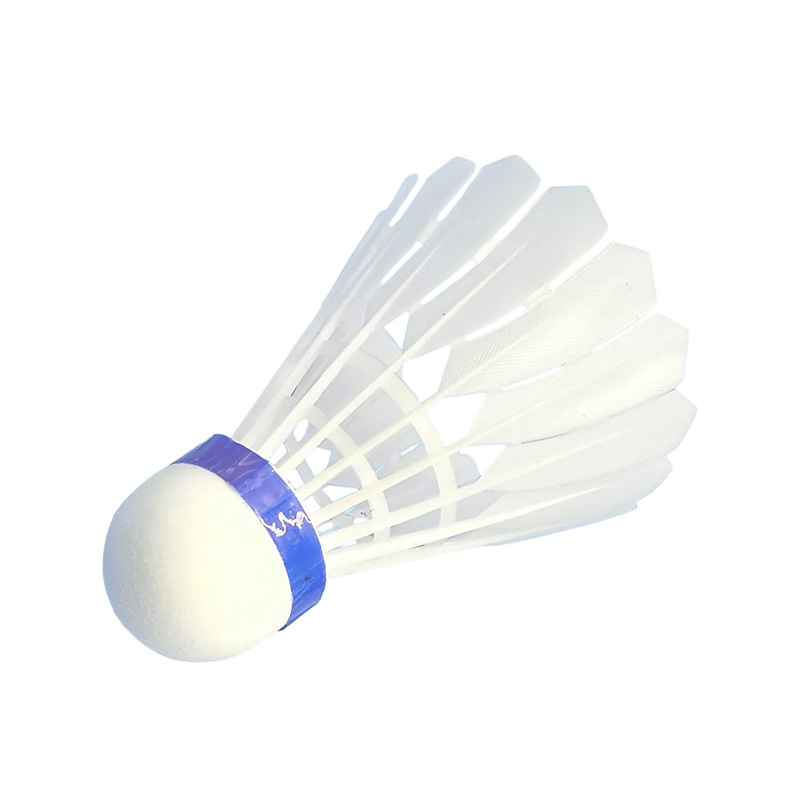 Stable Durable Nylon Shuttlecocks for Daily Training Sports
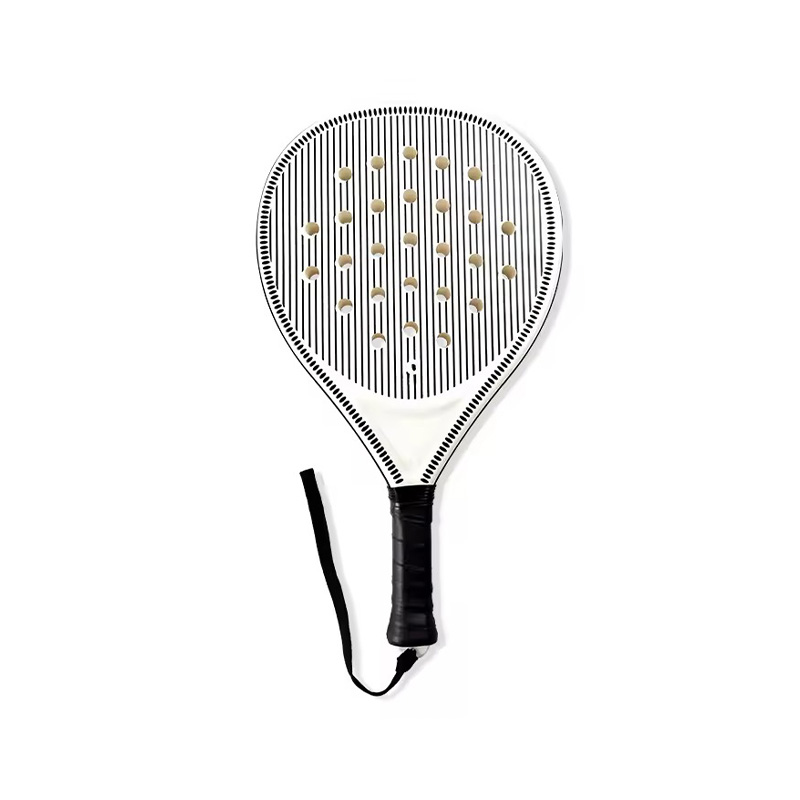 Wooden Non‑Slip Padel Rackets for Outdoor Parent‑Child Play
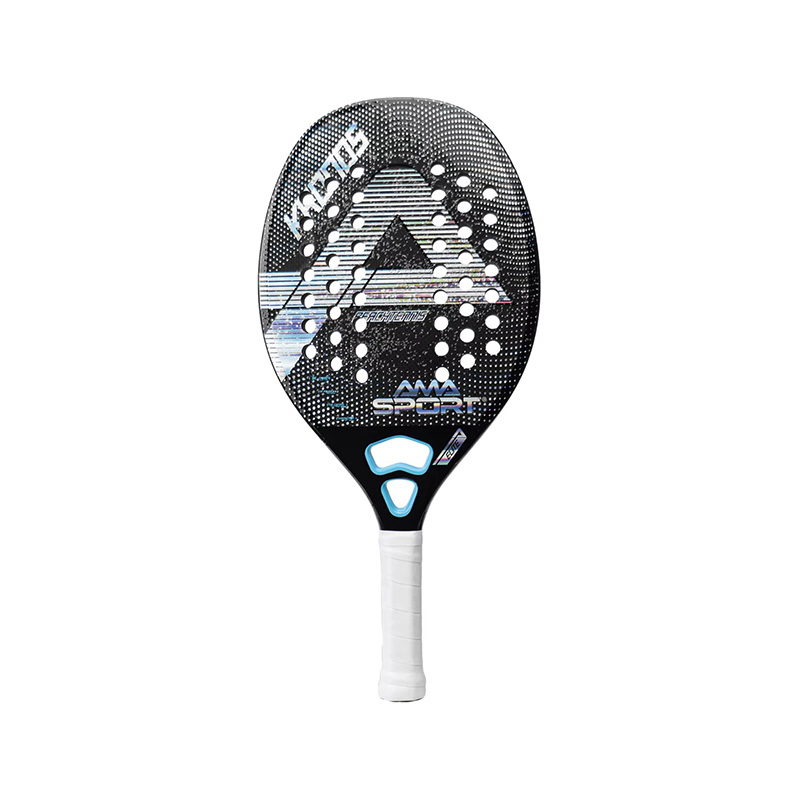 Lightweight Diamond‑Shaped Carbon Padel Rackets for Premium Play
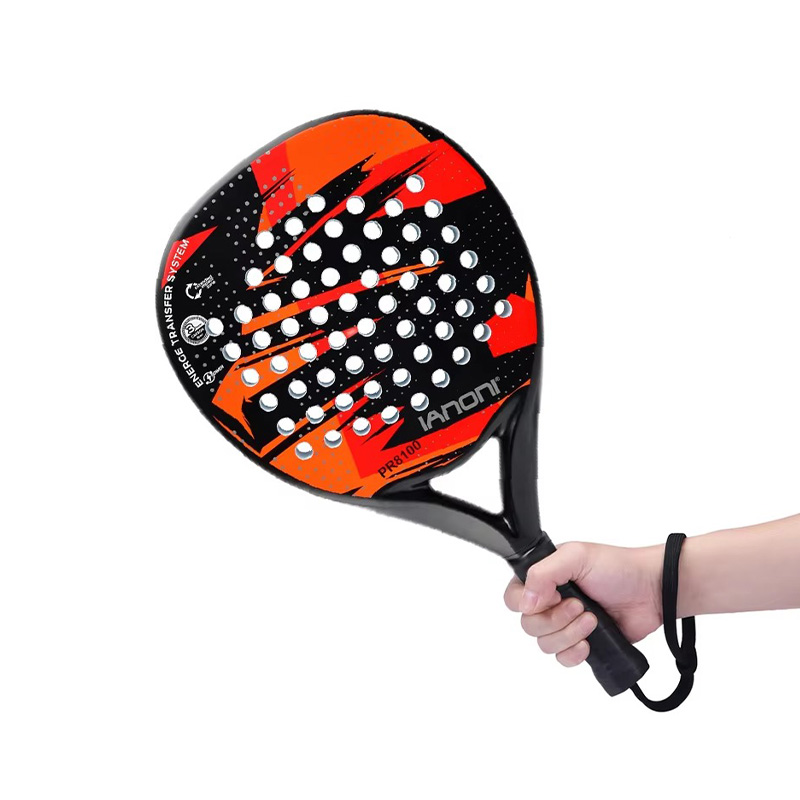 Multi‑Grade Carbon Padel Rackets for Beach Tennis Activities
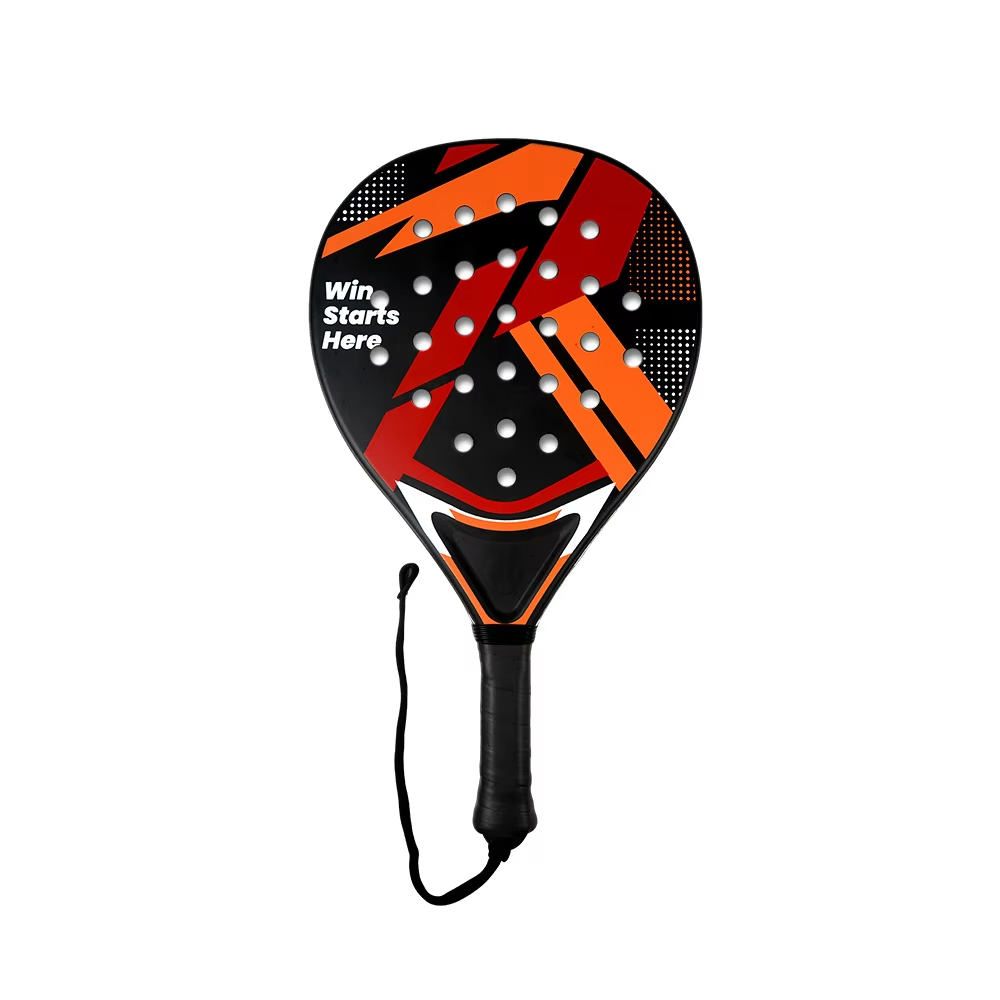 Kid‑Friendly Carbon Padel Rackets for Parent‑Child Training
 Custom 3K‑12K Graphite Padel Rackets for Wholesale OEM Supply

 Previous